

Bag-in-box (BIB) packaging is a widely used solution for transporting and storing liquids such as wine, juice, milk, and other beverages.
Although most people focus on the storage of filled BIBs, it’s equally important to take care of the empty bags before they are filled.
These bags, which hold liquids inside a sealed pouch, need to be stored and handled correctly to ensure that they remain in good condition for later use.
Whether for food products or other liquids, the quality of the bag has a direct impact on the safety and quality of the final product.
In this guide, we’ll explore the best ways to properly store and transport empty BIB bags.
This will help ensure that the bags remain in good shape and ready to be used without risk of damage, contamination, or poor performance.
1. Store Empty Bags in a Clean, Dry, and Controlled Environment
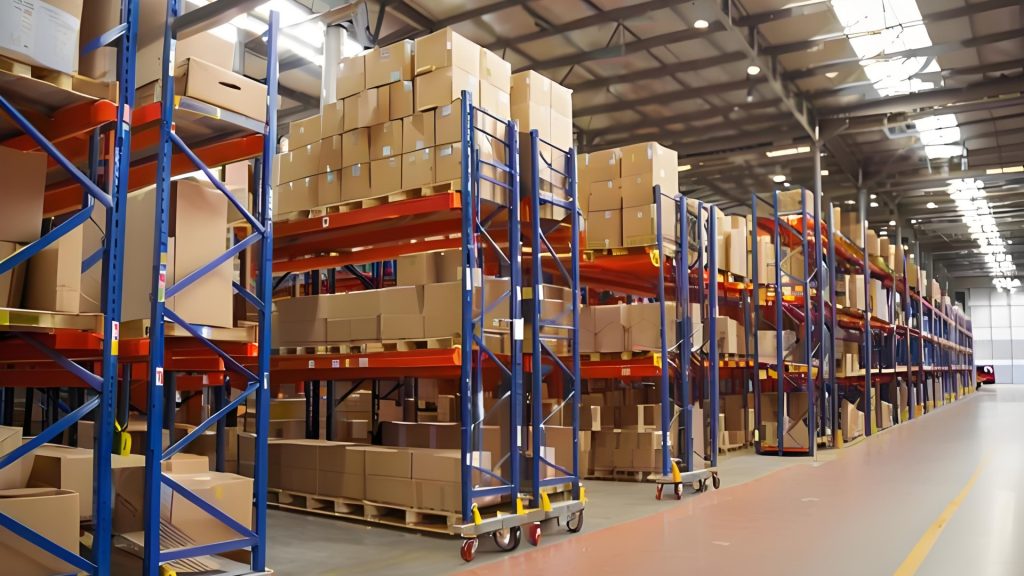
The environment where you store empty BIB bags plays a key role in maintaining their integrity and longevity.
Storing the bags in the right conditions will prevent premature wear and ensure that the bags are safe to use when it’s time to fill them.
Ideal Temperature Range
Temperature is one of the most important factors in maintaining the quality of BIB bags.
These bags are often made from plastic materials that can become brittle, stiff, or weak if exposed to extreme temperatures.
To keep the bags in optimal condition, they should be stored in a space where the temperature is kept between 10-20°C (50-68°F).
- High temperatures can cause the plastic to weaken, which may lead to the bag breaking or tearing when filled with liquid.
- Low temperatures may cause the plastic to become rigid and brittle, increasing the likelihood of cracks or punctures.
In addition, drastic temperature fluctuations should be avoided, as these can cause the material to expand and contract, leading to potential weaknesses in the bag structure.
Ideally, empty bags should be stored in a temperature-controlled warehouse or storage area to keep them at a consistent and safe temperature.
Humidity Control
Humidity is another critical factor when it comes to storing empty BIB bags.
High humidity can cause moisture to build up inside the bags, creating an environment for mold and bacteria to grow, which could contaminate the bag when it is later used for liquid products.
To maintain optimal storage conditions, aim to keep the humidity level below 60%.
This will help ensure the bags do not absorb moisture or become susceptible to mold.
If you are in an area with high humidity, it is advisable to use dehumidifiers or ensure that your storage area is well-ventilated to promote airflow.
Avoiding Excess Moisture is important because if the bags get too wet, they can lose their structural integrity.
Therefore, always store them in a dry, well-ventilated space, and avoid placing them directly on the ground or near water sources.
Avoid Exposure to Direct Sunlight
Sunlight, especially UV (ultraviolet) rays, can degrade plastic over time, making it more prone to cracking, fading, and breaking.
If an empty BIB bag is exposed to sunlight for prolonged periods, the plastic may become weak and lose its durability, which could compromise its ability to hold liquid when filled.
For this reason, it is crucial to store empty bags in a dark or shaded area.
Avoid placing bags near windows or in places where they could be exposed to sunlight.
If your storage space has windows, consider covering them with UV-blocking film, or use curtains to shield the bags from direct sunlight.
In outdoor storage situations, ensure that the bags are covered with UV-resistant tarps to protect them.
2. Handle Empty Bags with Care
Proper handling of empty BIB bags is vital to prevent physical damage during storage or transport.
Even though the bags are generally made from durable materials, improper handling can cause them to tear, rip, or develop holes, which could affect their performance when filled with liquid.
Be Mindful of Sharp Objects and Rough Surfaces
While BIB bags are designed to be strong, they can still be damaged by sharp objects, rough surfaces, or careless handling.
When handling the bags, make sure to keep them away from anything that could puncture or scratch the surface.
When lifting empty bags, always pick them up from the bottom, not from the handles or edges.
This helps prevent putting pressure on the weaker areas of the bag.
Lifting them from the sides can cause stress on the material, which could lead to a tear.
If you’re handling multiple bags at once, it’s best to use a cart or forklift to move them rather than lifting them by hand, as this will prevent unnecessary strain and possible damage.
Avoid Over-Packing or Folding Too Tightly
Although empty BIB bags can be stacked or folded for storage, they should not be compressed too tightly.
Overpacking or pressing the bags too hard can damage the material and make it more likely to tear or weaken over time.
Instead, when storing the bags, try to fold them gently or store them flat. If the bags are rolled up, make sure that they are not rolled too tightly, as this could cause the material to lose its shape.
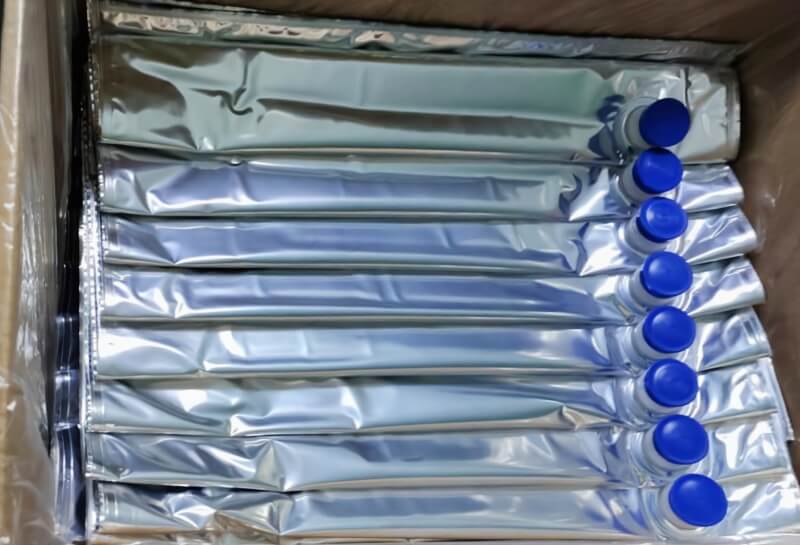
Over time, bags that have been compressed too much may lose their flexibility and become prone to cracks or splits when filled.
For larger quantities of bags, use storage containers or pallets to keep them organized.
This helps prevent them from getting squished under heavy loads.
Additionally, you can protect the bags by wrapping them in protective plastic or storing them in boxes to reduce the risk of external damage.
3. Keep Bags Away from Contaminants
Since BIB bags are used to store liquids, especially food products like wine, juice, and milk, it is essential that they remain free from any contaminants.
Exposure to dirt, chemicals, or other pollutants can not only damage the bags but could also pose a health risk if these contaminants are transferred into the liquids later on.
Store Bags Away from Chemicals and Pollutants
Avoid storing empty BIB bags near cleaning supplies, chemicals, or other substances that could contaminate the bags.
Even a small amount of oil, grease, or cleaning residue can affect the bag’s ability to hold liquids.
If any chemical residues get into the bag, it could affect the liquid inside, making it unsafe for consumption.
The storage area for empty bags should be clean and dedicated solely to the bags.
Try to keep the space free from other materials like oils, chemicals, or products that could potentially harm the bags.
Regularly Clean the Storage Area
In addition to keeping the bags themselves clean, it’s essential to maintain a clean storage environment.
Dust, dirt, and debris can build up over time and transfer to the bags, contaminating them.
Sweep and clean the area regularly to reduce the accumulation of dust and dirt.
Consider using an air filter or installing a ventilation system in the storage area to keep the air fresh and clean.
This will reduce the likelihood of dust particles or other contaminants settling on the bags.
The cleaner the environment, the less chance there is for contamination or damage to the bags.
4. Transport Empty Bags with Care
Transporting empty BIB bags from one location to another requires extra care.
During transit, the bags can easily be damaged if not handled correctly.
Proper transport ensures the bags arrive at their destination in good condition and ready for use.
Handle Bags Gently During Loading and Unloading
When loading and unloading empty bags, always avoid throwing or dropping them.
Bags should be lifted gently from the bottom and placed carefully in the transport vehicle.
When using a cart, trolley, or forklift, make sure the bags are placed securely to prevent shifting during transport.
Stack Bags Properly to Avoid Damage
If you need to stack bags in a vehicle or during transport, do so in a way that keeps them from getting crushed.
Bags should be stacked upright or flat, not tilted at odd angles.
Improper stacking can put excessive pressure on the bags, causing them to break or become misshapen.
If you’re stacking bags for storage or transport, it’s important to keep the valves facing upward.
This will prevent pressure on the valves, which could cause them to get crushed, misaligned, or damaged.
Any issues with the valve could make the bag difficult to use when it’s time to dispense the liquid.
Protect Bags from Weather During Transport
When transporting empty bags outdoors or in open vehicles, you need to consider the weather.
Rain, snow, or high humidity can affect the bags and make them susceptible to moisture.
If water gets inside the bags, it can weaken the plastic and cause it to degrade.
Make sure to cover the bags with waterproof tarps or place them in covered trucks to keep them dry during transport.
If the weather is particularly harsh, avoid transporting the bags until the conditions improve.
5. Rotate Stock and Use FIFO (First In, First Out)
Good inventory management practices are crucial for ensuring that empty bags are used before they degrade or become too old.
FIFO Method
To manage your stock efficiently, use the FIFO (First In, First Out) method.
This means using the oldest bags first to ensure that they don’t stay in storage for too long.
By doing so, you prevent bags from sitting unused for extended periods, which could lead to the bags becoming brittle or damaged.
The FIFO method helps to minimize waste and ensures that you’re always using the bags that have been stored the longest, reducing the risk of deterioration.
Regularly move older bags to the front of the storage area, and make sure that newer bags are stored behind them.
This way, bags will be used in the order they were received, preventing unnecessary stock from sitting idle and potentially becoming unusable.
Inspect Bags Regularly
Even with the best storage conditions, it’s essential to inspect your inventory of empty bags regularly.
Over time, bags can still become damaged, even in ideal storage conditions. It’s important to visually check the bags for any signs of wear or deterioration, such as:
- Tears or punctures from rough handling or stacking
- Cracks in the plastic that may have been caused by temperature fluctuations
- Discoloration from exposure to sunlight or environmental factors
If you notice any bags that appear damaged, remove them from the stock and dispose of them to avoid the risk of using defective bags.
This simple practice will ensure that only the highest-quality bags are used for packaging.
6. Best Practices for Storing Large Quantities of Bags
If you are storing large quantities of empty BIB bags, there are a few additional considerations to help maintain the quality and manage the space effectively.
Palletizing Bags for Easy Handling
When dealing with large amounts of bags, it’s helpful to palletize them.
By stacking the bags neatly on pallets, you can make it easier to handle them with forklifts or pallet jacks.
Palletizing helps to keep the bags organized, minimizes the risk of damage, and ensures that the bags are not exposed to unnecessary pressure.
It also makes it simpler to rotate stock using the FIFO method, as you can easily move the older pallets to the front.
Ensure that the bags are stacked in a stable and secure manner to prevent them from toppling over.
Use appropriate straps or shrink wrap to secure the bags to the pallet, ensuring that they remain upright and undamaged during storage and transport.
Use Shelving Systems for Smaller Quantities
For smaller quantities of empty bags, a shelving system can be an effective way to store them.
Shelves help you keep bags organized and accessible, making it easier to grab the right number of bags when needed.
Shelving also allows for better airflow, which helps reduce the risk of moisture buildup.
When using shelves, make sure that the bags are stored upright or laid flat (with the valves facing up), and avoid overloading the shelves.
Storing bags properly will help prevent bending or crushing, which could damage the bags.
7. Keep Records and Maintain an Inventory
A proper inventory system is an essential part of storing and managing your empty BIB bags.
By keeping accurate records, you can track the number of bags you have on hand, when they were purchased, and when they are due for use.
Tracking Dates
Each batch of empty BIB bags should be assigned a storage date, and you should track when new stock arrives.
This will allow you to monitor the age of the bags and ensure that older bags are used first, as part of the FIFO process.
Maintain Detailed Inventory Logs
For larger businesses or operations, consider using an inventory management system that can help you track the number of bags you have in stock.
Many systems allow you to scan barcodes on the bags, making it easier to update and manage the inventory.
This can reduce human error and ensure you always have an accurate count of available bags.
Using a digital inventory system also allows you to track trends over time, helping you predict when you’ll need to order more bags and avoid running out of stock.
Conclusion
Properly storing and transporting empty bags for Bag-in-Box (BIB) packaging is just as important as handling the filled bags.
Whether you’re managing a small supply or a large warehouse, following the right procedures will ensure that your bags remain in good condition and are ready for use when needed.
By keeping your bags in a clean, dry, and temperature-controlled environment, handling them carefully, and following best practices for stacking, rotating, and inspecting your inventory, you can extend the life of your bags and ensure that your products are stored safely.
Remember, even empty bags need care and attention, so take the time to implement the tips in this guide.
By maintaining good storage and transport practices, you’ll help reduce waste, prevent damage, and improve the quality of the products you ultimately package, ensuring their safety and longevity.
With these simple steps, you can ensure your empty Bag-in-Box bags remain in top shape, ready to be used for any liquid products you wish to store or transport, whether it’s wine, juice, milk, or any other beverage.
